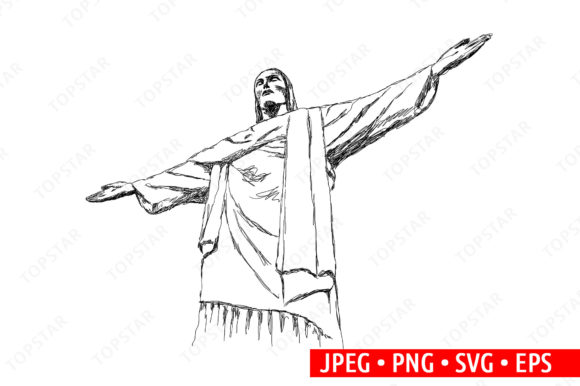
Jesus Christ the Redeemer Easter Clipart Review
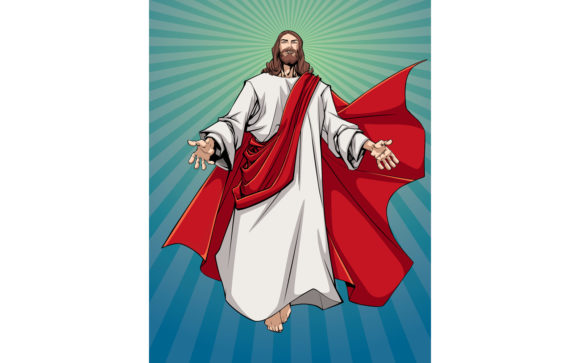
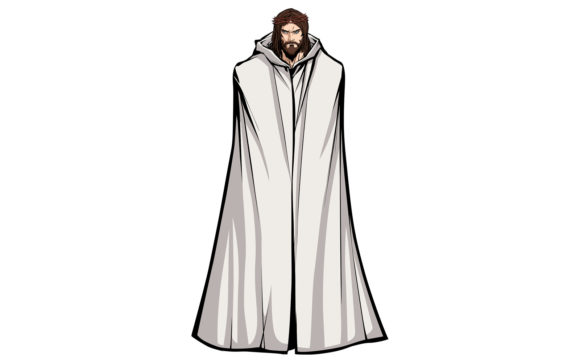
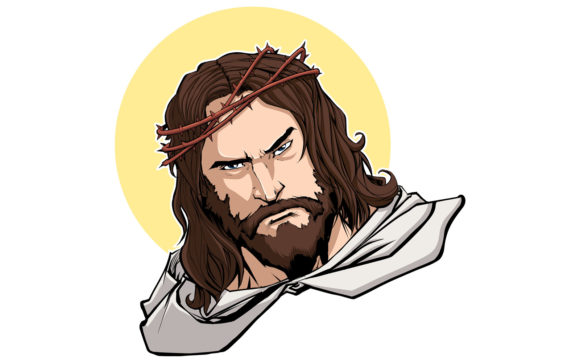
When evaluating graphics for embroidery, I look past the initial aesthetic appeal and focus immediately on structural integrity. As a designer who regularly converts illustrations into stitch files, my first impression of the Jesus Christ the Redeemer Easter Clipart is that it offers a strong, recognizable silhouette suitable for faith-based projects. The composition appears balanced, which is critical when translating digital art into a machine embroidery design. Unlike overly complex religious artwork that often loses definition once stitched, this graphic seems to prioritize clear lines and distinct shapes. For an embroidery project, clarity is king. The visual personality here feels reverent yet accessible, making it a versatile candidate for both traditional church merchandise and modern boutique items.
Evaluating Vector Assets for Stitch Conversion
The technical foundation of any successful embroidered patch or custom apparel piece lies in the source file. This product includes SVG and EPS scalable vector files alongside standard JPG and PNG formats. For those of us in the craft business, the vector formats are the true value proposition. When preparing a sweatshirt embroidery design or a tote bag design, having clean vector paths allows for precise node editing before digitizing. Raster images often require tedious auto-tracing that results in jagged edges and excessive stitch counts. With these vectors, I can easily separate color regions to assign specific stitch types, such as satin stitch borders or fill stitch interiors, without fighting pixelation.
The inclusion of a transparent PNG is equally valuable for creating printable mockups. Before I commit thread to fabric, I need to show clients exactly how the finished product will look. Overlaying this transparent graphic onto photos of blank tees or nursery blankets helps manage expectations and secures approval faster. For Etsy sellers and small shop owners, this step streamlines the workflow from concept to commercial embroidery production.
Real-World Application: The Easter Tote Bag Test
To truly judge this design, I mentally walked through a recent client request for a personalized gift: a canvas tote bag intended as an Easter basket alternative. Canvas is a textured fabric that demands respect; fine details often get lost in the weave. The Jesus Christ the Redeemer Easter Clipart holds up well in this scenario because the central figure relies on bold contours rather than microscopic shading.
In this real-life application, I would utilize the SVG file to create a custom applique design rather than a full-density fill. By using the clipart as a guide for cutting fabric pieces, I can reduce the overall stitch density significantly. This prevents the tote bag from becoming stiff and bulletproof, a common issue with heavy religious iconography. The resulting handmade product retains the drape of the canvas while showcasing the sacred imagery. Customers appreciate this tactile quality. It signals professional craftsmanship rather than amateur over-stitching. Furthermore, the design’s proportions allow for ample negative space, making it easy to add personalized text like a family name or scripture verse below the image without overcrowding the hoop size.
Navigating Fabric Limitations and Stabilizer Choices
While the graphic is robust, practical experience dictates caution with certain substrates. If you are planning baby embroidery on lightweight onesies, the design scale must be adjusted carefully. Large, dense areas of fill stitch can pucker thin knits, even with proper stabilizer. I recommend testing a scaled-down version on scrap fabric first. You may need to simplify internal details or switch to running stitch outlines to maintain the garment's softness.
Dark fabrics present another challenge. Since the provided JPG has a white background and the PNG is transparent, you must consider contrast during the digitizing phase. White thread on navy sweatshirts requires adequate underlay to prevent the fabric color from bleeding through. Conversely, if stitching on white linen for holiday embroidery, ensure your thread colors have enough saturation to stand out. Always verify that your chosen stabilizer matches the weight of both the design and the base material. A tear-away might suffice for caps, but a cut-away is non-negotiable for stretchy apparel to prevent distortion after washing.
Commercial Viability for Makers and Sellers
For creative entrepreneurs, the intersection of artistic merit and marketability determines success. This illustration fits neatly into several profitable niches. It works beautifully for church fundraising merchandise, baptism gifts, and seasonal decor. However, its utility extends beyond explicit religious retail. The artistic style allows it to function as a tasteful accent in broader spring collections. When listing a finished product on Etsy, high-quality presentation builds buyer trust. Using the included assets to create clean, professional listings demonstrates that you respect the source material and your customers' intelligence.
Brand consistency matters. If your shop specializes in minimalist Christian goods, this graphic aligns well with that aesthetic. It avoids the cluttered, dated look that plagues some religious graphics. This modern sensibility increases perceived value. Buyers are more likely to purchase a premium-priced embroidered pillow cover if the underlying art feels contemporary and intentional. Just remember to confirm licensing terms before selling digital embroidery files or mass-producing items. Understanding your rights protects your business and respects the original artist.
Essential Pre-Stitch Checklist for Designers
Before loading this design into your software or machine, run through this practical verification list to ensure professional results:
- Verify Hoop Compatibility: Measure the design dimensions against your available hoops. Resizing vectors is safe, but resizing existing stitch files can distort aspect ratios and ruin stitch angles.
- Check Node Count: Even with vectors, complex curves can generate excessive nodes. Simplify paths in your vector editor before importing to your embroidery software to ensure smooth stitch generation.
- Test Thread Contrast: View the design in grayscale or black and white within your software. If the values blend together, adjust thread colors or add texture differentiation to ensure readability.
- Assess Detail Scale: Identify any elements smaller than 2mm. These may need to be removed or enlarged, as standard embroidery needles cannot reliably render tiny details without breaking threads.
- Mockup Validation: Place the transparent PNG over a photo of your actual target fabric. Does the scale feel right? Is the placement centered visually, accounting for seams and collars?
- Stabilizer Match: Confirm you have the correct backing and topping for your specific fabric texture. Never assume one stabilizer works for all projects.
Final Thoughts on Design Integrity
The Jesus Christ the Redeemer Easter Clipart serves as a reliable foundation for meaningful embroidery work. Its strength lies in its adaptability across different mediums, from rugged canvas to delicate linens. By leveraging the included vector files, makers can avoid the pitfalls of low-resolution tracing and produce crisp, professional-grade merchandise. Whether you are crafting a personalized gift for a loved one or stocking your shop for the Easter season, approaching this graphic with technical mindfulness ensures the final stitched result honors both the subject matter and your craftsmanship. Always test, always verify, and let the quality of your execution elevate the inherent beauty of the illustration.