Outline-Christian Water: An Embroidery Design Review
When evaluating a new machine embroidery design for professional or commercial use, my first question is always about versatility. As a designer who creates everything from custom apparel to boutique merchandise, I need assets that translate well across different mediums without losing their integrity. Recently, I took a close look at Outline-Christian Water to see how this specific graphic performs in real-world stitching scenarios. This isn't just about whether the file opens correctly; it is about whether the final finished product looks intentional, polished, and valuable to a customer.
First Impressions and Visual Mood
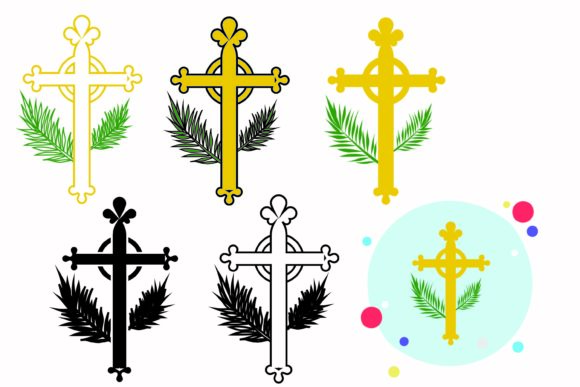
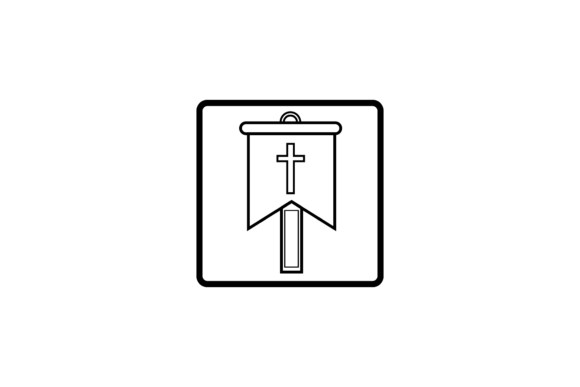
My initial assessment of Outline-Christian Water focused on its aesthetic weight. As an icon-style graphic, it carries a sense of simplicity and reverence that suits faith-based projects perfectly. The outline nature suggests a minimalist approach, which is currently trending in both Etsy seller listings and high-end boutique branding. Unlike heavy, dense designs that can feel stiff on fabric, this style implies a lighter touch. When I loaded the digital assets, the clean lines stood out immediately. For an embroidery project, this visual clarity is crucial because it dictates how the design will interact with the texture of the material. It feels modern yet timeless, making it appropriate for everything from nursery decor to adult ministry wear.
Real-World Application: The Custom Tote Bag Test
To truly understand the utility of Outline-Christian Water, I mentally applied it to a recent client request: a series of canvas tote bags for a church women’s retreat. Canvas is a forgiving but textured fabric, and fine details can sometimes get lost in the weave. Because this design relies on outline definition rather than complex shading, it is an ideal candidate for this application.
In this scenario, I would likely utilize a running stitch or a lightweight satin column to maintain the airy feel of the icon. A heavy fill stitch would make the tote bag feel bulletproof and unappealing to the touch. By keeping the stitch density low, the design respects the natural drape of the canvas. This is where having multiple file formats becomes essential. While the provided JPG and PNG files are excellent for creating a printable mockup to show the client before production, the vector-based AI, EPS, SVG, and DXF files allow for precise scaling. If the client decides they want the icon smaller as a pocket accent or larger as a centerpiece, the lines remain crisp without pixelation or distortion.
Fabric Considerations and Stitching Performance
While Outline-Christian Water is versatile, experienced makers know that placement matters. Here is how I evaluate this graphic for various substrates:
- Sweatshirt Embroidery: Fleece and French terry fabrics have a pile that can swallow thin lines. For sweatshirts, I recommend testing the design on scrap fabric first. You may need to slightly increase the column width or add a light underlay to ensure the outline sits on top of the fabric texture rather than sinking into it.
- Baby Embroidery: Softness is non-negotiable for infant items. The outline style of this graphic is superior to dense patches for onesies and bibs because it minimizes skin irritation. However, always pair it with a soft cut-away stabilizer to prevent puckering on stretchy knits.
- Tea Towels and Linens: These are high-wash items. Outline designs generally hold up beautifully here because there is less thread to snag. Ensure your top and bobbin tension is balanced to prevent the design from looking loose after laundering.
- Caps and Curved Surfaces: Icons can be tricky on caps due to the curvature. Center the design carefully. If the Outline-Christian Water graphic has wide horizontal elements, consider resizing it vertically to accommodate the limited stitching area of a cap frame.
Commercial Value and Brand Consistency
For small shop product owners and creative entrepreneurs, consistency builds trust. Using a cohesive set of graphics like this helps establish a recognizable brand identity. Whether you are selling personalized gift items or commercial embroidery services, the professional presentation of your work hinges on clean digitizing and appropriate application.
The inclusion of six format types (AI, EPS, SVG, DXF, JPG, PNG) with a generous 1920 px x 1280 px canvas size adds significant value. As a business owner, I appreciate not having to redraw or trace a raster image to create a vinyl decal version of the same icon for matching tumblers or car decals. This cross-platform compatibility streamlines workflow. When listing items online, using the high-resolution PNG for your primary listing photo and the vector files for actual production ensures that what the customer sees in the digital preview matches the physical handmade product they receive.
Designer Notes for Best Results
Before you hoop your first piece of fabric with Outline-Christian Water, run through this practical checklist to ensure professional results:
- Verify Licensing: Always confirm the specific license terms included with your purchase. Determine if you are cleared for commercial use on finished products or if the license restricts usage to personal projects only. Never assume rights based on file availability.
- Check Hoop Size Compatibility: Although the canvas is large, verify the actual stitch dimensions against your machine’s maximum hoop size. Resizing should be done within reasonable limits to preserve stitch integrity.
- Thread Color Contrast: Outline designs rely entirely on contrast. Test your thread colors against the background fabric. White thread on cream fabric might disappear; a darker taupe or navy might provide the necessary definition while remaining neutral.
- Stabilizer Selection: Match your stabilizer to the fabric, not just the design. Even a simple icon needs proper support on stretchy or sheer materials to prevent distortion.
- Mockup Testing: Use the provided JPG/PNG files to create black-and-white mockups. This strips away color bias and lets you judge the composition and balance of the icon purely on shape and negative space.
Evaluating Long-Term Durability and Appeal
A beautiful design is useless if it falls apart after three washes. Outline-Christian Water, by virtue of its construction, generally offers better longevity than heavily filled applique designs on frequently washed items like kitchen towels or baby clothes. There is simply less thread mass to degrade. However, this also means that every stitch is visible. There is nowhere to hide poor tension or needle marks. Precision is key.
From a customer engagement perspective, this type of icon bridges the gap between traditional religious imagery and modern design sensibilities. It appeals to buyers looking for subtle faith expressions rather than overt statements. This expands your potential market significantly. Whether used as a standalone motif on a patch or integrated into a larger typography layout on a holiday card, the design maintains its structural integrity.
Final Thoughts for Makers and Sellers
Outline-Christian Water represents a solid asset for the serious embroiderer. Its strength lies in its adaptability and clean aesthetic. It avoids the clutter that often plagues niche-specific graphics, allowing it to fit seamlessly into diverse product lines ranging from wedding gifts to everyday custom apparel.
Remember that the file formats provided are tools, not guarantees. The success of your embroidered patch, tote bag, or sweatshirt depends on your understanding of materials and machine mechanics. Treat this graphic as a foundation. Experiment with thread weights, explore tonal stitching, and test it on various textures. By applying professional judgment and adhering to best practices, you can transform this digital icon into a tangible, high-quality product that resonates with customers and reflects well on your craftsmanship. Always prioritize testing over speed, and let the quality of your finished work speak for itself.