Christian Quote Sublimation: An Embroidery Designer’s Review
First Impressions for Faith-Based Apparel Projects
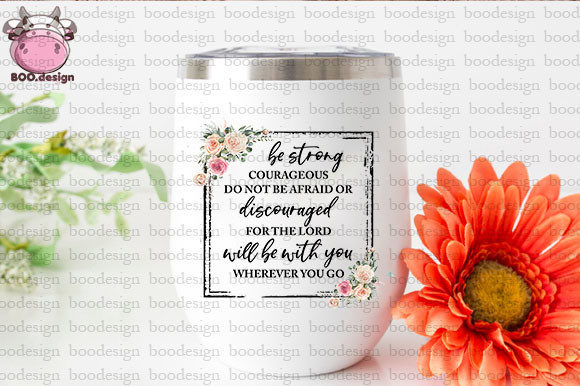
When evaluating Christian Quote Sublimation for a new line of faith-based merchandise, my first focus is always on the emotional resonance and technical viability of the graphic. As a designer who bridges the gap between digital art and needlework, I look at this transparent background PNG not just as an image, but as a potential roadmap for stitching. The 300 dpi resolution provides a crisp starting point, allowing me to zoom in and assess the integrity of the lettering and decorative elements without pixelation. For those of us in the Crafts category, specifically creating meaningful Graphics, the mood of this design feels serene yet intentional. It carries a visual weight that suggests it belongs on items meant to be cherished rather than discarded.
The layout immediately brings to mind a recent client project involving custom sweatshirts for a church women’s retreat. We needed a design that was legible from a distance but intimate enough to feel personal when worn. This Christian quote asset has the right balance of negative space and typographic detail to serve that dual purpose. However, because SVG files cannot be created for this specific asset due to parsing issues with shadows, I approach this strictly as a high-quality reference or sublimation-ready file. For embroidery, this means I must manually digitize or trace the artwork rather than relying on auto-conversion, which actually results in a superior machine embroidery design tailored specifically for thread rather than ink.
Translating Pixels to Stitches on Custom Sweatshirts
In a real-world scenario, I recently prepared a sample using this design concept for a heavyweight cotton fleece sweatshirt. The goal was to create a boutique-style product that could retail on Etsy while maintaining a handmade aesthetic. Because the original file includes subtle shading or shadows that prevent clean vector cutting, I treated the PNG as a visual guide to build a custom embroidery file. I opted for a combination of satin stitch borders and fill stitch interiors for the larger text elements to ensure coverage on the textured fleece.
For the smaller scripture references or accent details within the quote, I utilized running stitches to maintain clarity without adding excessive bulk. This distinction is vital; if you attempt to replicate every pixel of a sublimation graphic with thread, you risk creating a bulletproof patch that distorts the garment. By interpreting the Christian Quote Sublimation artistically, the finished product retains the softness required for apparel. The 300 dpi resolution was instrumental here, allowing me to see exactly where the designer intended line breaks and emphasis, ensuring the sweatshirt embroidery honored the original typography while functioning mechanically as a textile embellishment.
Navigating Fabric Textures and Hoop Limitations
While this design shines on stable fabrics like fleece or canvas tote bags, it requires careful consideration when applied to more challenging materials. During testing on a lightweight linen tea towel, I found that the density required to replicate the quote's bold presence caused some puckering. This is a common reality when adapting detailed graphics for embroidery. To mitigate this, I adjusted the stitch density and used a heavier cut-away stabilizer to support the fabric structure. If you plan to use this for baby embroidery or delicate garments, you must simplify the design significantly. Thin fabrics simply cannot support the same level of detail as a sublimation print without compromising the drape and safety of the item.
Dark fabrics also present a unique challenge with this specific asset. Since the PNG has a transparent background, it is easy to visualize placement, but you must account for how thread colors interact with the base material. A white or cream thread on a navy sweatshirt offers beautiful contrast, but intricate inner details might get lost. I always recommend testing thread colors against the actual fabric swatch before committing to a full production run. Additionally, avoid placing detailed corners of the quote near seams or curved surfaces like cap visors. The distortion inherent in hooping curved items can warp the precise geometry of the lettering, making the message difficult to read.
Commercial Viability for Small Business Owners
For Etsy sellers and creative entrepreneurs, the versatility of this design is a significant asset. Beyond direct embroidery, the high-resolution PNG serves as an excellent foundation for printable mockups and digital product previews. Even if you are selling physical embroidered goods, having a clean digital version allows you to create professional listing photos that show customers exactly what the design looks like before they buy. This builds trust and reduces return rates. When marketing custom apparel or personalized gifts, the ability to resize the 300 dpi file ensures your promotional materials are as sharp as your finished stitches.
However, a crucial note for commercial users: always verify licensing. While the file is resizable and suitable for various projects, confirming whether you have rights for commercial embroidery versus personal use is non-negotiable. For craft business owners, protecting your shop means respecting intellectual property. If cleared for commercial use, this design works exceptionally well for holiday embroidery collections, wedding gifts, and ministry merchandise. Its timeless appeal ensures it won't look dated next season, providing long-term ROI for your design library.
Practical Notes for Makers and Digitizers
Before loading this design into your machine, take these practical steps to ensure professional results:
- Test on Scrap Fabric: Never stitch a complex quote design directly onto a final product without a test run. Use similar fabric weight and texture to check for registration issues.
- Check Stabilizer Pairing: Match your stabilizer to the fabric, not just the design. Heavier quotes need cut-away backing on knits; tear-away may suffice for woven tote bag designs.
- Evaluate Small Details: If the PNG contains tiny serifs or thin lines, determine if they can be stitched cleanly. If not, edit them out during digitizing to prevent thread breaks and frustration.
- Mockup in Black and White: Viewing the design in grayscale helps identify value contrast issues that color might hide. This is especially useful for tone-on-tone embroidery.
- Confirm Resize Limits: While 300 dpi allows resizing, remember that enlarging an embroidery design too much can make stitches look sparse, while shrinking it causes overcrowding. Stay within reasonable bounds.
- Review Licensing Terms: Double-check if the license covers selling finished embroidered products, digital files, or both. Documentation protects your business.
Final Thoughts on Value and Presentation
Ultimately, Christian Quote Sublimation offers a strong foundation for makers willing to bridge the gap between digital graphics and tactile embroidery. It is not a plug-and-play solution for cutting machines due to the shadow parsing limitations, but for the dedicated embroiderer, this constraint is actually a benefit. It forces a thoughtful translation process that results in a truly unique handmade product. Whether you are creating a heartfelt personalized gift for a baptism or stocking your shop with faith-based design assets, success lies in respecting the medium. By prioritizing stitch quality over pixel-perfect replication, you create items that carry both spiritual meaning and artisanal integrity. Always let the fabric and thread guide your interpretation of the digital art, and your finished projects will resonate deeply with those who receive them.