One Way Jesus Christian Design: An Embroidery Review
When evaluating digital assets for a craft business or personal studio, the transition from screen to stitch is where the true value of a graphic is determined. As a designer who regularly tests files for commercial embroidery and handmade product lines, I approached the One Way Jesus Christian Design with a specific set of criteria. This isn't just about whether the artwork looks good on a monitor; it is about whether it translates into a durable, attractive, and sellable finished product. The file package includes high-resolution JPEG and PNG sources at 300 dpi, along with SVG cut files, sized at 4500×5400 pixels in RGB color mode. While these specifications are excellent for print and digital mockups, my review focuses on how this visual concept performs when adapted for needle and thread.
Visual Personality and First Impressions
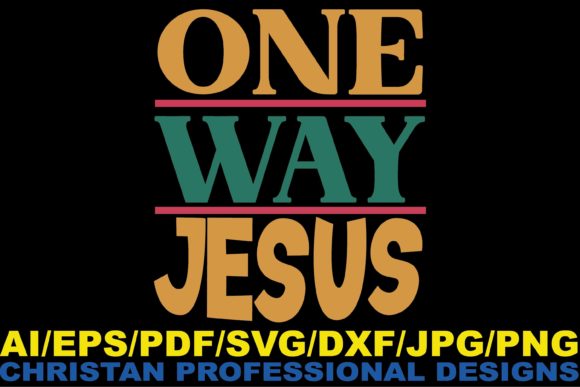
The immediate strength of the One Way Jesus Christian Design lies in its clear thematic communication. In the world of faith-based merchandise, clarity is paramount. Customers looking for religious apparel or gifts want symbols that are instantly recognizable and respectful. The layout of this design suggests a bold, declarative aesthetic rather than something overly ornate or cluttered. From a digitizing perspective, this is a significant advantage. Designs with distinct shapes and legible typography tend to stitch out cleaner than those with excessive shading or microscopic details.
The mood created by this graphic feels modern yet traditional, striking a balance that appeals to both younger demographics seeking trendy sweatshirt embroidery and older customers wanting classic church event gear. The RGB color mode provided in the source files indicates vibrant potential, but as an embroiderer, I immediately began mentally converting those screen colors to thread charts. The design’s composition appears versatile enough to serve as a central chest piece on a hoodie, a back print on a ministry t-shirt, or even a framed nursery decor item. It avoids the generic clip-art feel that often plagues religious crafts, offering instead a professional graphic quality that elevates the perceived value of any handmade product it adorns.
Real-World Application: The Ministry Tote Bag Test
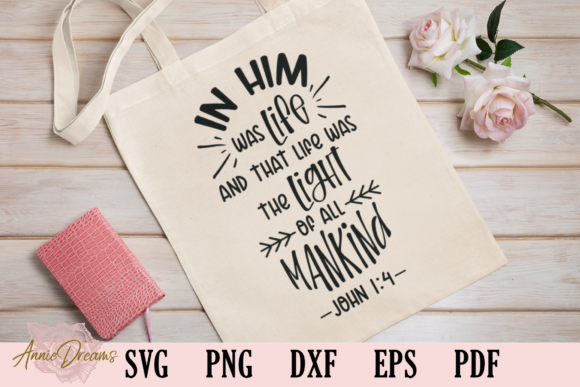
To truly judge the utility of this machine embroidery design, I considered a recent client request for custom tote bags intended for a women’s retreat. Canvas tote bags are a staple in the Etsy seller and small shop product ecosystem, but they present unique challenges due to fabric texture and weight. When visualizing the One Way Jesus Christian Design on unbleached canvas, the high contrast required for readability became my primary focus.
In this scenario, the design would likely require a combination of fill stitch for larger areas and satin stitch for borders or text elements. The 4500×5400 pixel resolution of the source art allows for significant resizing without losing edge definition, which is critical when creating printable mockups for client approval before stitching. For the tote bag project, I would recommend testing the design on a scrap of similar weight canvas first. Natural fabrics can sometimes cause registration issues if the stitch density is too high. However, because this graphic originates as a clean vector-style image (indicated by the included SVG), it should adapt well to applique design techniques. Using fabric scraps for the main body of the design could reduce stitch count significantly while adding a tactile, handmade quality that buyers love. This approach transforms a standard digital embroidery file into a premium mixed-media piece.
Navigating Fabric Choices and Technical Constraints
While the One Way Jesus Christian Design is versatile, no single graphic works perfectly on every substrate without adjustment. Understanding where to use caution is just as important as knowing where to apply it boldly. For apparel decorators working with stretchy knits like jersey or performance wear, stabilizer choice will be the deciding factor between a professional finish and a puckered mess. If you plan to use this for baby embroidery on onesies, you must ensure the design size is scaled appropriately to avoid overwhelming the garment or causing stiffness that irritates sensitive skin.
I would advise against using highly detailed versions of this design on textured fabrics like terry cloth or fleece unless you employ a topping. The loops in the fabric can swallow running stitch details, making the message difficult to read. Conversely, on smooth, tightly woven fabrics like quilting cotton or poplin, the design should render crisply. Dark fabrics present another consideration; since the source files are RGB, you may need to adjust thread colors to ensure sufficient contrast. A white or metallic gold outline often helps lift the design off a navy or black background, ensuring the "One Way" message remains the focal point.
For curved surfaces like caps, evaluate the vertical height of the design. Cap hoops have limited real estate, and a design optimized for a flat 4x4 or 5x7 hoop may distort when wrapped around a brim. Always check your specific hoop size limitations and consider purchasing or creating a cap-specific version of the embroidery file if the original aspect ratio is too tall.
Commercial Viability and Product Value
For creative entrepreneurs and Etsy sellers, the commercial viability of a design hinges on its ability to generate sales through both physical products and digital presentation. The inclusion of high-resolution transparent PNGs makes creating professional listings significantly easier. You can overlay the One Way Jesus Christian Design onto blank garment photos to create realistic previews without needing to stitch a sample for every color variation. This efficiency is crucial for maintaining a robust catalog of holiday embroidery or seasonal church merchandise.
However, trust is built on the quality of the finished product. Customers returning for personalized gifts expect durability. When using this design for items that will face frequent washing, such as kitchen towels or children's clothing, ensure your digitizing settings include adequate underlay and secure tie-offs. A beautiful design that unravels after three wash cycles damages brand reputation. The clean lines of this graphic suggest it will hold up well, provided the operator uses appropriate stitch density for the chosen fabric. Furthermore, always verify the licensing terms included with your purchase. Confirming whether you have rights for commercial embroidery versus only personal use protects your business from legal issues down the road.
Essential Pre-Stitch Checklist for Makers
Before loading the One Way Jesus Christian Design into your machine for a final production run, walk through this practical checklist to ensure success:
- Verify File Compatibility: Ensure your machine reads the specific embroidery file format derived from the source art. The provided JPG/PNG/SVG are source files; confirm you have the correct digitized stitch file for your hardware.
- Test Stitch Density: Run a test on scrap fabric identical to your final project. Check for puckering, gaps, or excessive stiffness.
- Contrast Check: View the design in black and white on your computer screen to simulate how it might look in monochrome thread or low-light conditions.
- Stabilizer Match: Pair cut-away stabilizer for stretchy apparel and tear-away for stable wovens. Never skip stabilizer on knit fabrics.
- Mockup Validation: Use the 300 dpi PNG to create accurate scale mockups. Show customers exactly what the placement and size will look like on the actual item.
- Licensing Confirmation: Re-read the included license to confirm permissions for selling finished goods or using the graphics in marketing materials.
Ultimately, the One Way Jesus Christian Design offers a strong foundation for faith-based crafting. Its clean aesthetic and high-resolution source files provide the flexibility needed for everything from intricate patches to simple, bold apparel. By approaching the design with technical mindfulness and respecting the relationship between digital art and physical thread, makers can produce meaningful, high-quality items that resonate deeply with their audience. Whether you are creating a personalized gift for a baptism or stocking your shop with boutique branding, this design serves as a reliable asset in your creative toolkit.