Jesus is Painting in Me a Smile Design Review
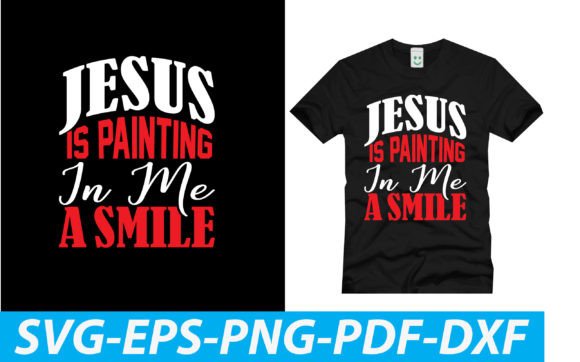
As an embroidery designer and product reviewer, I approach every new digital asset with a critical eye toward its final stitched reality. When evaluating JESUS is PAINTING in ME a SMILE, my first impression goes beyond the screen. This graphic carries a distinct mood of gentle optimism and spiritual warmth that translates beautifully into the tactile world of thread and fabric. The phrase itself suggests movement and internal transformation, which implies that the typography and layout likely possess a fluid, organic quality rather than rigid block lettering. For makers in the Crafts category, this specific sentiment bridges the gap between religious expression and uplifting lifestyle decor, making it a versatile candidate for both personal faith projects and commercial boutique inventory.
Evaluating Visual Flow for Embroidery Translation
Before loading any embroidery file into my machine, I analyze the source Graphics to predict stitch performance. With a design centered on "painting a smile," I look for elements that mimic brushstrokes or soft curves. If this design utilizes script or hand-lettered styles, it is crucial to determine if those lines are optimized for satin stitch or if they require a fill stitch approach. Thin, wispy lines that look elegant on a high-resolution PNG can become problematic running stitches on textured fabrics. Conversely, bold, artistic lettering provides excellent coverage and durability.
The inclusion of SVG, EPS, DXF, PNG, and JPEG files at 300dpi (4500x5400 pixels) offers significant flexibility. As a reviewer, I value this high resolution because it allows me to zoom in and inspect edge clarity before committing to a test stitch. For machine embroidery design work, clean vector edges in the SVG or EPS usually indicate a cleaner digitizing path, resulting in fewer jump stitches and a more professional finish on the final product. Always verify if these graphics are pre-digitized embroidery formats or source art intended for conversion, as this distinction dictates your immediate workflow.
Real-World Application: The Faith-Based Tote Bag
To truly understand the marketability of JESUS is PAINTING in ME a SMILE, I mentally place it on a tangible project. A natural home for this design is a canvas tote bag intended for church retreats, women’s conferences, or everyday faith-based carryalls. Canvas provides a stable, medium-weight foundation that supports moderate stitch density without excessive puckering.
In this scenario, the design serves as the focal point. I envision centering the graphic about four inches from the top hem to ensure visibility when the bag is carried. Because the message is intimate yet declarative, using a variegated thread or a soft metallic could enhance the "painting" metaphor, adding visual texture that mirrors the sentiment. For an Etsy seller or small shop owner, this specific application targets a niche audience seeking meaningful accessories over generic slogans. The emotional resonance of the phrase increases the perceived value of the handmade product, transforming a simple utility item into a cherished personalized gift.
Fabric Considerations and Technical Constraints
While the sentiment is universally appealing, technical execution varies by substrate. Here is how JESUS is PAINTING in ME a SMILE performs across different materials:
- Sweatshirt Embroidery: Fleece and french terry are popular choices for faith-based apparel. However, these fabrics have pile that can swallow fine details. If the design contains intricate inner loops or thin connecting lines, you must use a water-soluble topping to keep the stitches visible. A heavier stabilizer is non-negotiable here to prevent the design from distorting the garment's drape.
- Baby Embroidery: Onesies and bibs offer a smaller canvas. You must confirm the hoop size compatibility before purchasing. If resizing is necessary, check whether the design maintains legibility at 40% or 50% scale. Tiny text often requires simplification to avoid needle perforation issues on delicate knits.
- Kitchen Towels and Tea Towels: These are high-wash items. Ensure the stitch density is sufficient to withstand frequent laundering. A design with too much open space may snag, while one that is too dense can make the towel stiff. Test washability on a scrap piece first.
- Caps and Curved Surfaces: Unless the design is specifically digitized for caps, flat artwork like this can distort on curved brims. Proceed with caution and always run a cap-specific test if adapting this graphic for headwear.
Commercial Viability for Creative Entrepreneurs
For those running a craft business or selling digital assets, understanding the commercial potential is key. JESUS is PAINTING in ME a SMILE possesses strong "giftability." It avoids being overly seasonal, meaning it can generate sales year-round rather than just during Easter or Christmas. This evergreen quality makes it a reliable staple for custom apparel listings and holiday embroidery collections alike.
When creating printable mockups for your online store, utilize the provided high-resolution JPEG and PNG files. Place the design on realistic blanks that match your target demographic. Does it look better on a cream-colored sweatshirt or a navy blue tee? Testing these combinations digitally helps you curate a cohesive brand aesthetic. Remember, customers buy the feeling the design evokes; your presentation should amplify that sense of joy and peace inherent in the message.
Essential Pre-Stitch Checklist for Makers
Professional results come from preparation, not luck. Before stitching JESUS is PAINTING in ME a SMILE on a sellable item, adhere to this practical protocol:
- Verify File Formats: Confirm whether the download includes machine-ready embroidery formats (like .PES, .DST, .JEF) or if the SVG/DXF files require digitizing software to convert. Never assume compatibility.
- Test Stitch Density: Run a sample on the exact fabric you intend to use. Check the back of the embroidery; excessive bobbin thread showing on top indicates tension issues or inadequate stabilizer for that specific design weight.
- Contrast Check: Evaluate thread colors against your fabric choice. Low-contrast combinations (e.g., white thread on pale yellow) can make the intricate "smile" details disappear. Bold contrast ensures readability from a distance.
- Licensing Confirmation: Review the terms included in your zip file. Clarify whether you have rights to sell finished physical products, digital embroidery files, or both. Respecting intellectual property protects your business reputation.
- Mockup Validation: Create black-and-white versions of your product photos to test visual hierarchy. If the design gets lost in grayscale, it may lack the definition needed for thumbnail visibility in search results.
Final Thoughts on Design Integrity
JESUS is PAINTING in ME a SMILE represents more than just a collection of vectors; it is a narrative tool for makers. Its success in your studio depends entirely on respecting the relationship between the digital art and the physical medium. Whether you are creating a bespoke embroidered patch, outfitting a ministry team, or expanding your Etsy catalog, treat this design with technical diligence. By matching the right stabilizer, verifying dimensions, and honoring the emotional weight of the phrase, you ensure that the final stitched product delivers the same smile to your customer that the design promises to paint within them.