Jesus Design Bundle: A Maker’s Practical Review
As a professional embroidery designer and product reviewer, I approach every new digital asset with a specific question: will this actually stitch out beautifully on real fabric? When evaluating the Jesus Design Bundle, my focus shifts immediately from screen to hoop. This collection of graphics is marketed heavily toward the vinyl and paper crafting community due to its compatibility with Cricut, Silhouette Cameo, and Brother ScanNCut machines. However, for those of us in the machine embroidery space, these SVG files serve as vital blueprints for creating custom digitized works or hybrid mixed-media projects. My assessment here is not about how easily it cuts, but how effectively it translates into a high-quality handmade product that customers will trust and cherish.
First Impressions and Visual Personality
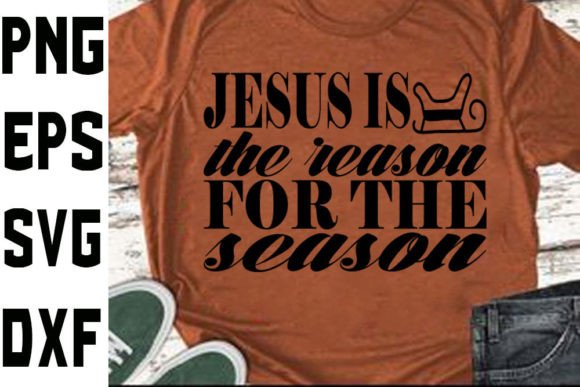
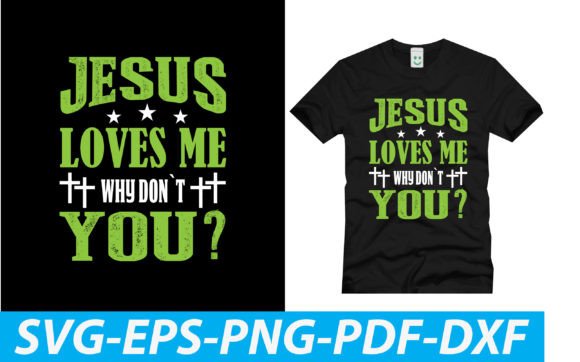
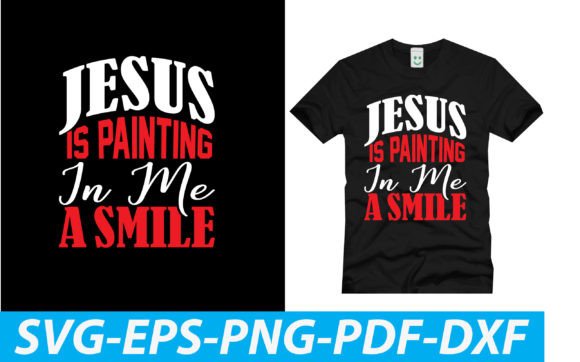
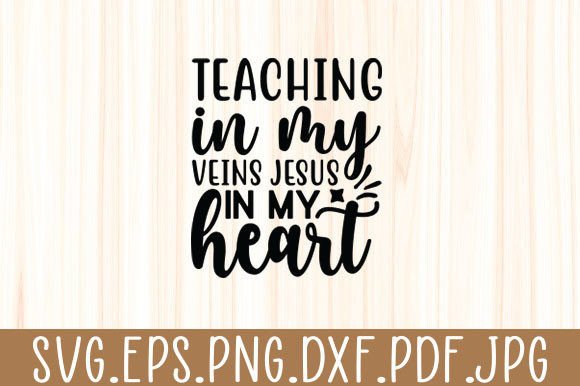
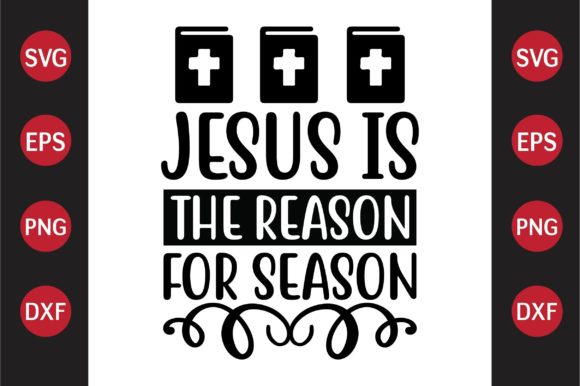
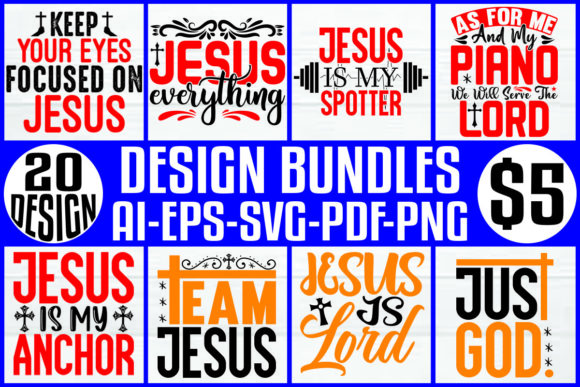
Upon opening the Jesus Design Bundle, the immediate impression is one of clean, intentional lines. In the realm of faith-based crafts, designs can sometimes feel cluttered or overly ornate, making them difficult to execute cleanly in thread. This bundle avoids that pitfall. The visual personality strikes a balance between modern minimalism and traditional reverence. For an embroidery project, this simplicity is a massive advantage. Clean vector lines mean less guesswork when you are manually digitizing or converting these graphics into a machine embroidery design. The shapes are distinct enough to hold their integrity whether you are planning a satin stitch border or a fill stitch interior. It feels like a collection designed by someone who understands that negative space is just as important as the ink—or in our case, the thread.
Real-World Application: The Custom Sweatshirt Test
To truly evaluate this bundle, I mentally placed it into a current client request: a batch of unisex crewneck sweatshirts for a church youth retreat. Sweatshirt embroidery presents unique challenges because fleece is textured, stretchy, and prone to puckering. The designs in this bundle are ideally suited for this application precisely because they avoid microscopic details that get lost in fuzzy fabrics.
I envision using the bolder typography elements from the bundle as a centerpiece on the chest. Because the lines are confident, I can confidently apply a slightly wider satin stitch column without worrying about the lettering looking spindly or breaking during wear. For the iconography within the bundle, I see excellent potential for applique design work. Instead of stitching out thousands of dense fill stitches that could make the sweatshirt stiff and uncomfortable, I can use these SVGs as templates to cut fabric pieces with my cutting machine, then secure them with running stitch and satin borders. This hybrid approach leverages the "compatible with major brand cutting machines" feature while elevating the final result to a premium commercial embroidery standard. The resulting garment feels soft, looks professional, and respects the fabric's drape.
Navigating Fabric Limitations and Hoop Constraints
While the Jesus Design Bundle is versatile, practical judgment requires acknowledging where caution is needed. Not every graphic in a bundle performs equally across all substrates. If you are working with lightweight baby clothes or delicate linen tea towels, you must assess the stitch density carefully. Some of the bolder designs may be too heavy for thin fabrics, leading to tearing or distortion. In these cases, I recommend resizing the design down or simplifying the internal details before generating your embroidery file.
Conversely, if you are stitching on structured items like caps or curved tote bags, pay close attention to the aspect ratio. Designs that are perfectly balanced on a flat t-shirt mockup can appear stretched or warped when wrapped around a hat brim. Always test the curvature. Additionally, tiny text elements often found in scripture-based graphics are notorious trouble spots in machine embroidery. If a phrase in the bundle is intricate, do not attempt to shrink it below 0.25 inches in height. Thread has physical thickness; pixels do not. Respecting this limitation prevents bird-nesting and ensures legibility in the finished product.
Elevating Product Value and Customer Trust
For Etsy sellers and small shop owners, the difference between a hobbyist craft and a boutique product often lies in execution clarity. Using the Jesus Design Bundle responsibly signals professionalism. When a customer receives a personalized gift or custom apparel item where the registration is perfect and the tension is balanced, it builds brand consistency. These graphics provide a strong aesthetic foundation, but your value add is the technical translation.
The clean nature of these designs also aids in marketing. They photograph well. Because the lines are distinct, they show up clearly in printable mockups and digital product previews. This helps buyer engagement significantly. Customers can visualize exactly what they are purchasing, which reduces returns and increases confidence. Whether you are selling physical embroidered patches or offering digital embroidery files derived from your own interpretation of these assets, the underlying quality of the source art matters. It supports a narrative of intentionality rather than generic mass production.
Critical Designer Notes Before You Stitch
Before you load a hoop or list a product, adhere to these practical checkpoints to ensure success with the Jesus Design Bundle:
- Verify Licensing Terms: The description mentions usage for "many p..." but cuts off. Never assume commercial rights for finished products or digital redistribution. Confirm specifically if you can sell items made from these designs or if they are for personal use only.
- Test on Scrap Fabric First: Do not risk a $30 sweatshirt on an untested file. Stitch out the design on a scrap of the exact same material and stabilizer combination you plan to use for the final project.
- Check Thread Color Contrast: View the design in black and white before assigning colors. If the design relies solely on color contrast rather than value contrast to define shapes, it may look muddy in monochromatic embroidery. Adjust shading or add texture fills if necessary.
- Stabilizer Selection is Non-Negotiable: Since these files originate as cut files, they lack built-in embroidery compensation. You must manually account for fabric push-and-pull. Use appropriate cut-away stabilizer for knits and tear-away for wovens to maintain shape accuracy.
- Mockup Reality Check: Compare light and dark fabric backgrounds digitally before stitching. A design that pops on white cotton might disappear on navy fleece. Adjust underlay or outline colors accordingly.
- Inspect Small Details: Zoom in to 400% in your embroidery software. Look for gaps between objects that might open up during stitching. Manually adjust overlap points to ensure seamless connections.
Final Thoughts for the Creative Entrepreneur
The Jesus Design Bundle offers a robust starting point for makers who bridge the gap between digital design and textile art. Its strength lies in its adaptability and clean aesthetic, making it suitable for everything from holiday embroidery gifts to everyday boutique branding. However, its origin as a cutting file means the embroiderer must bring technical expertise to the table. By treating these SVGs as raw materials rather than finished instructions, and by applying rigorous testing and stabilization protocols, you can transform these graphics into heirloom-quality stitched goods. Ultimately, successful commercial embroidery isn't just about the design you buy; it is about the craftsmanship you apply to make it tangible, durable, and beautiful in the hands of the end user.